When a client holds your Z-fold brochure, they expect clarity. The way letters appear on the page tells them if you are organized and trustworthy before they read a single listing detail. This specific printed layout has unique constraints because the paper folds three times, creating distinct panels that guide the reader's eye. Typography decisions for this format must prioritize legibility while maintaining your personal identity.
If the text is too small or difficult to scan, the brochure becomes background noise rather than a marketing tool. You need typefaces that stand out on the cover but remain easy to read on the inside pages where the property photos sit. Proper spacing and weight differences help distinguish your contact information from the sales pitch.
How do you balance brand voice with readability?
Your typeface choices define your professional persona. A luxury agent might prefer an elegant serif to suggest tradition, while a tech-focused broker may opt for a clean sans-serif to convey modernity. Mixing these styles requires care so the design feels intentional rather than cluttered. You want the font to communicate confidence without demanding constant attention.
For your main titles, look for impactful headlines for home listings that anchor the design. Bold weights work well here to catch the eye, but keep the body text lighter to ensure long descriptions about square footage or amenities do not strain the reader's eyes. Consistency between your digital presence and your physical mailer reinforces memory recall.
Does fold placement affect your font selection?
The mechanics of a Z-fold change how information is presented compared to a flat flyer. Panels hide content until unfolded, which means critical details need to survive partial reveals. Avoid placing essential text directly on the fold lines where creasing might distort the shape of letters. Tight kerning can also suffer in these areas, making text harder to decipher.
Testing your proof is non-negotiable. Print a sample sheet, fold it manually, and check the sharpness of characters near the edges. Large type sizes help maintain visibility, especially if you plan to distribute these at busy open houses. Think about how your letters look from arm's length, just as you would evaluate high-visibility signage located down the street.
What errors should you avoid in your final draft?
Crowded text blocks are a common pitfall. Trying to fit too much information forces the designer to shrink font sizes below 9 points, which becomes illegible for many demographics. Stick to two or three type families maximum to prevent visual chaos. A heavy script font might look artistic for a signature, but it fails as a primary source of information.
Low contrast between ink color and paper stock reduces accessibility significantly. Dark gray on white might look sleek, but standard black ensures everyone can read your phone number clearly. If you want a colored font, test it under natural lighting conditions to verify accuracy before sending it to the printer.
Where can you find reliable typefaces for your campaign?
You need commercially licensed fonts to protect yourself legally when using them in advertisements. Many free options lack proper encoding or support specific character sets needed for international addresses or symbols. Searching for premium collections allows access to better hinting for print resolution.
Websites like Montserrat offer diverse families suitable for both bold headers and body copy. Investing time in finding the right stack pays off when the brochure lands in a buyer's hand. For more guidance on maintaining consistent branding standards, review existing templates that align with industry best practices.
- Print a full-size proof on the actual paper stock you intend to use.
- Fold the sample along all three crease lines to check text distortion.
- Verify that your website URL and phone number are the largest readable elements after the headline.
- Ensure file exports are set to CMYK color mode for accurate printing colors.
- Keep the total character count under 250 words per panel to encourage scanning.
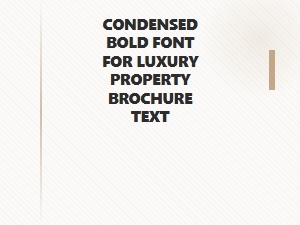 Precision Typefaces for Luxury Property Portfolios
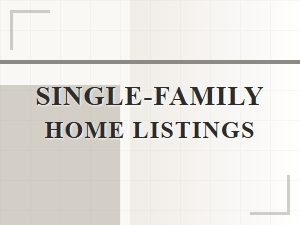 Serif Impact Font Headings for Home Listings
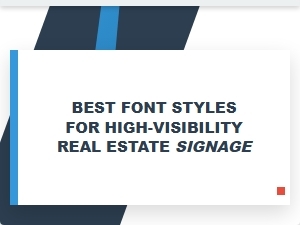 Best Fonts for Visible Real Estate Signs
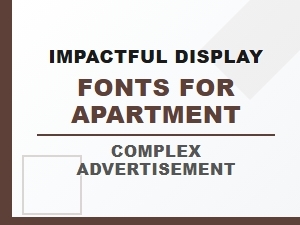 Compact Fonts That Command Attention for Apartment Ads
 Crafting Elegance: Font Choices for Villa Promotion
 Fonts That Sell Luxury Condos